
Making the Reset Last Past the Weekend

At our Remedy Place Flatiron pop-up in New York City, people kept coming out of restorative sessions looking calmer and more at ease. In the conversations that followed, one question stayed with us: “Am I supposed to feel like this?”
It was a question about more than a cold plunge, sauna, or hour away from the demands of the day. It was about recognizing a feeling many people had almost forgotten: room to breathe, a clearer head, a little more connection to themselves.
But then the week begins again. Meetings stack up. Sleep gets squeezed. The familiar wired-and-tired feeling can creep back in.
So here’s the next question: How do you make a reset last after the session is over?
The answer isn’t to chase one perfect recovery experience. It’s to build a rhythm that gives your brain and body regular opportunities to recover.
A powerful session can be a signal, not the whole routine
Recovery experiences can offer a welcome pause. But each person responds differently, and a single session doesn’t guarantee lasting changes in how you feel. Cold plunges, sauna, red light, and other wellness practices can be meaningful tools for some people. They’re not a replacement for sleep, everyday health habits, or medical care.
Think of a restorative session as a signal: This is what a pause can feel like. Repeated daily cues (like a consistent wake time, morning light, and protected downtime) help make recovery part of your routine rather than a rare event.
That idea is connected to neuroplasticity, the brain’s capacity to adapt through experience. A good session won’t rewire your brain overnight. But when you repeat supportive habits, you give your brain and body a more reliable pattern to work with.
Regular sleep timing is one part of that pattern. Research has found that sleep regularity is meaningfully associated with health, making consistency worth attention alongside sleep duration (study in Sleep). Light is another cue: exposure to daylight in the morning helps set the body’s circadian rhythms, which influence when you feel alert and when you feel ready for sleep (consensus recommendations on light exposure).
These aren’t quick fixes. They’re small, repeatable messages to a system that’s been asked to stay “on” for a long time.
Build anchors you can return to
A routine doesn’t need to be elaborate to be useful. Start with a few simple anchors: habits that fit into an ordinary day and make room for recovery.

Keep a steady wake time
Choose a wake time you can maintain most days, including weekends. Your schedule won’t be identical every morning, and that’s okay. Aim for a rhythm you can return to after a late night or a demanding week.
Get some morning light
If you can, spend a few minutes outside soon after waking. Take a short walk, sit by an open window, or step outside with your morning drink. Let it be simple. You don’t need to turn it into another performance task.
Protect a small recovery window
Put a brief pause on your calendar. That could mean an unhurried lunch, a walk between calls, a few slow breaths, or a screen-free wind-down before bed.
A recovery window isn’t a reward you earn after finishing everything. It’s one way to keep the day from becoming an unbroken stretch of effort.
Hydrate with intention
Keep water accessible and drink regularly, especially around exercise, heat, or travel. Electrolytes may be useful in some situations, such as prolonged sweating, but needs vary. Follow product directions and ask a healthcare professional if you have a condition or take medication that affects fluid or electrolyte balance.
Choose daily nourishment over another push
When energy dips, it’s tempting to reach for another stimulant and keep going. Sometimes what helps more is stepping away, getting water, or eating a nourishing meal. A daily routine can support your needs without asking your body to run on constant stimulation.
Alan’s ultramarathon lesson: consistency over intensity
Alan Wiederhold’s perspective on recovery comes partly from ultramarathons. A long-distance effort teaches you that one dramatic push can’t carry you through the whole course. You need to manage your effort, respond to what your body needs, and keep returning to the basics.
The same principle applies beyond sport. You don’t need a perfect morning routine or a recovery session every week to begin. You need a few practices that are realistic enough to repeat.
That might mean keeping your wake time steady on workdays, taking a short walk at lunch, and creating a calmer transition into bedtime. It might mean seeking out a restorative experience when it’s accessible, while also building smaller pauses into ordinary life.
The useful question isn’t, “How can I recreate that exact session?” It’s, “What helped me feel more present, and what’s one way to make room for that again tomorrow?”
Neuma as a daily layer, not a replacement for recovery
At Remedy Place, we were grateful to share Neuma’s story alongside a community focused on wellness and restoration. We see Neuma as one possible tool in a broader routine, not a shortcut, and not a substitute for the fundamentals.
Neuma powered by Cogni6 is designed as daily nourishment for focus, energy, and resilience. It’s sugar-free and stimulant-free, and can fit into a hydration routine. It isn’t intended to diagnose, treat, or cure any condition, and it can’t replace sleep, nourishing food, appropriate recovery, or medical advice.
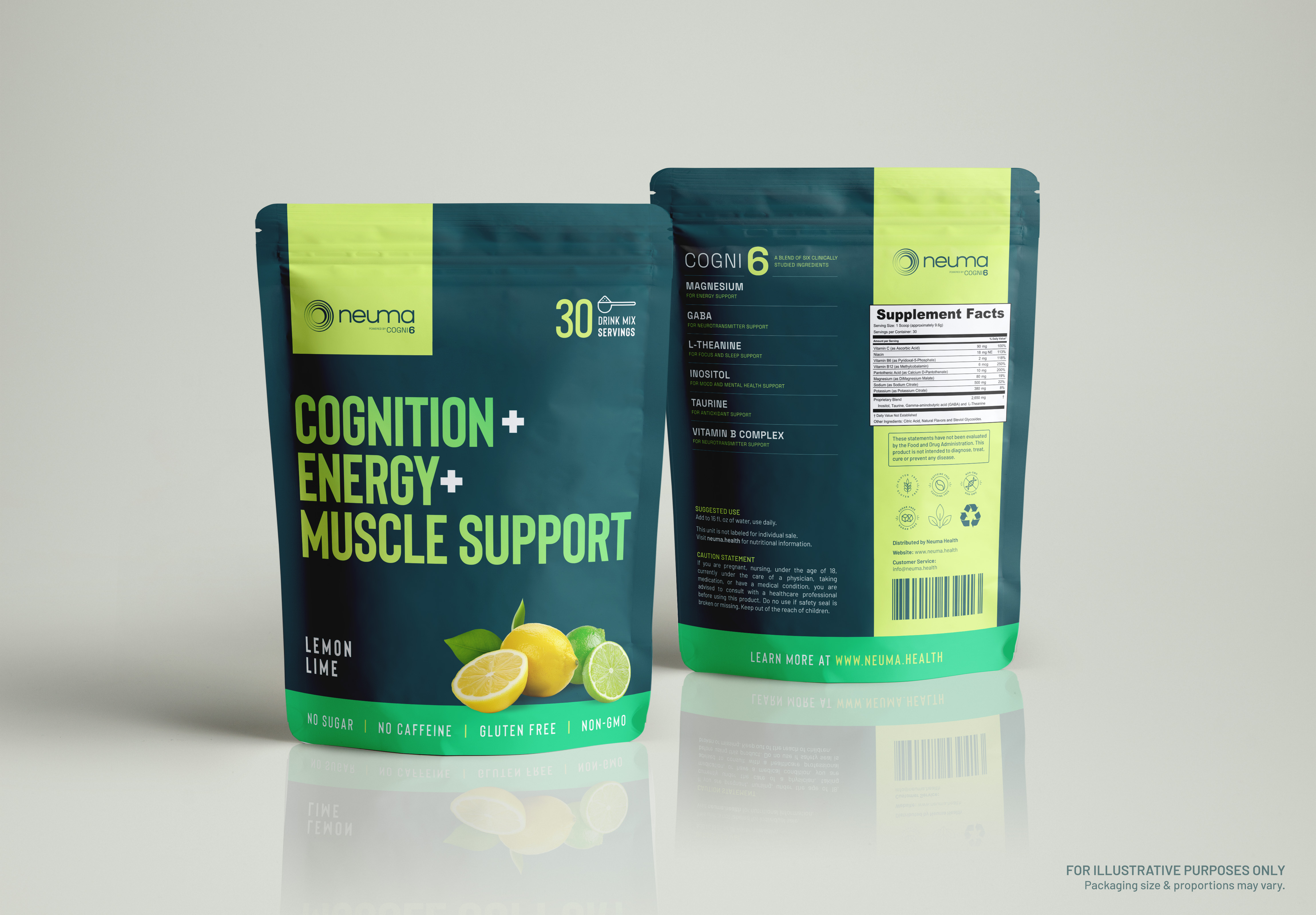
If you’re curious about whether it fits your routine, Neuma offers a 30-day routine reset guarantee. Read the product details, including the ingredients and directions, and choose what feels appropriate for you.
Let the reset become a rhythm
If you’ve been feeling unlike yourself, it makes sense to want one experience that will make everything better. But recovery rarely works like a switch. It’s more often a series of small choices that help you create a little more space between stress and your response to it.
You’re not expected to feel the same after every session, or to build a perfect routine overnight. Start with one anchor. Repeat it when you can. If sleep problems, fatigue, mood changes, or other symptoms persist or concern you, talk with a healthcare professional. A wellness practice can complement care, but it shouldn’t delay it.
For more on the pattern of feeling exhausted yet unable to switch off, read The Cortisol Cage. The goal isn’t to chase a temporary version of calm. It’s to build a life with more room for recovery, clarity, and connection, until feeling like yourself again becomes less of an exception and more of a rhythm.
Comments